Telomeres explained simply & what telomeres have to do with ageing
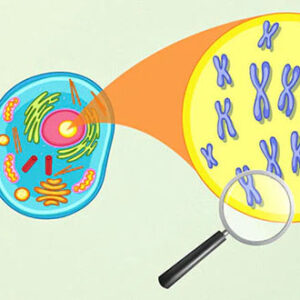
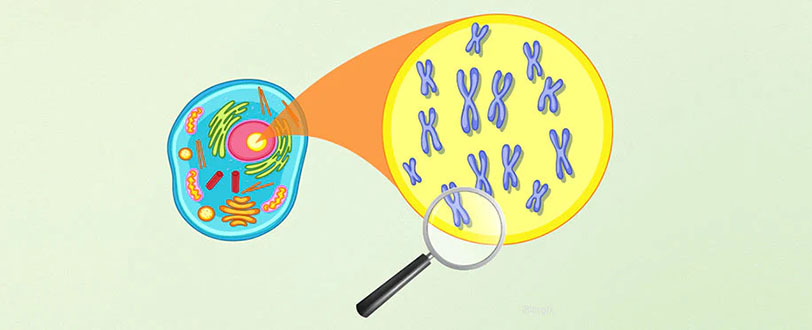
Your body consists of trillions of cells . Each cell contains a set of instructions in the form of code for the body – called DNA . These instructions are neatly packaged to fit inside chromosomes . At the end of each chromosome are telomeres . You can imagine them as protective caps . They ensure that cells can divide without losing important information from the DNA.
DNA is a very long strand of information. To fit into the cell nucleus, it is wound up and bundled together – this is how the chromosomes are formed. Humans have 46 chromosomes (23 pairs) in each cell. Egg and sperm cells are an exception: they contain only half as many , so that 46 come together again during fertilization. The genes on DNA are individual “segments” containing blueprints for almost everything the body produces and uses.
Telomeres protect – and they determine how quickly cells age
There is an enzyme called telomerase . It can lengthen telomeres. Elizabeth H. Blackburn , Jack W. Szostak , and Carol W. Greider received the 2009 Nobel Prize in Medicine for their research into telomeres and the discovery of telomerase.
What accelerates the shortening – and what can help?
- Obesity : Obesity causes a type of chronic inflammation in cells, producing oxidative damage. This damage particularly affects telomeres.
- High alcohol consumption : Clearly linked to shorter telomeres – constant exposure promotes cell stress and rapid division .
- Other stressors : Too much sun (UV), air pollution, radiation, nicotine, highly processed food/junk food.
- Chronic stress : Long-term psychological pressure is associated with shortened telomeres and accelerated aging .
Are there also positive influences? Yes. Studies have observed that:
- a plant-based, low-fat diet rich in vegetables , legumes and fruit was linked to higher telomerase activity ,
- and regular exercise – especially endurance – can stimulate telomerase and stabilize telomeres.
What does this mean for you?
- Sun exposure (shade, clothing, appropriate sunscreen)
Avoid smoking , drink alcohol in moderation
Exercise regularly – plan for recovery, build endurance
Eat a balanced diet : plenty of plant-based foods , good fats , sufficient protein
Prioritize sleep and reduce chronic stress
Reduce environmental pollution where possible (e.g. ventilation, occupational safety, reducing solvent contact) - Avoid smoking , drink alcohol in moderation
Exercise regularly – plan for recovery, build endurance
Eat a balanced diet : plenty of plant-based foods , good fats , sufficient protein
Prioritize sleep and reduce chronic stress
Reduce environmental pollution where possible (e.g. ventilation, occupational safety, reducing solvent contact) - Exercise regularly – plan for recovery, build endurance
- Eat a balanced diet : plenty of plant-based foods , good fats , sufficient protein
Prioritize sleep and reduce chronic stress
Reduce environmental pollution where possible (e.g. ventilation, occupational safety, reducing solvent contact) - Prioritize sleep and reduce chronic stress
- Reduce environmental pollution where possible (e.g. ventilation, occupational safety, reducing solvent contact)
Summary
Telomeres are the protective caps at the end of your DNA strands (chromosomes). They shorten with each cell division—this is normal . If they become too short , the cell stops dividing and is removed ; this is part of the natural aging process . You can slow this shortening with everyday habits . Studies also show that diet and exercise can support telomerase —the enzyme that can lengthen telomeres.