


PPQ

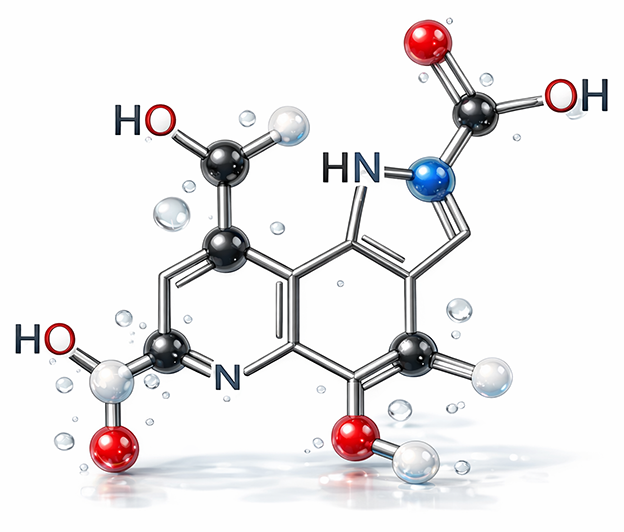
PQQ

Der unterschätzte Zellbooster für Energie, Vitalität und Longevity

In the world of dietary supplements, new active ingredients are constantly appearing that promise more energy, better concentration and healthy ageing. One of the most exciting candidates is PQQ – pyrroloquinoline quinone. Even if the name sounds complicated, behind it lies a small substance with great potential for body and mind.

PPQ

What is PQQ?
PQQ is a vitamin-like micronutrient that is found in small quantities in foods such as kiwi, papaya, spinach and green tea. In nature, however, the quantities are very small, which is why PQQ is usually produced synthetically or biotechnologically in supplements.

The main task of PQQ in the body is to support the mitochondria, the “power plants” of our cells. There it ensures that energy is produced efficiently and cells are protected.

The benefits of PQQ
1. More energy at cellular level
PQQ promotes the formation of new mitochondria, making your cells more efficient. Unlike caffeine, it does not produce stimulation, but natural, sustainable energy.

2. protection from cell damage
As a powerful antioxidant, PQQ protects cells from free radicals and oxidative stress. This supports healthy ageing and regeneration.

3. brain and nerve performance
Studies show that PQQ can support cognitive function, concentration and nerve regeneration. This is an exciting effect for anyone who wants to stay mentally fit.

4. support for sport and vitality
Due to the increased energy production at cell level, PQQ can also promote physical performance and support regeneration after training.

PQQ in practice
As PQQ is only found in very small quantities in food, many people resort to supplements. Typical dosages are 10-20 mg per day, often in combination with coenzyme Q10, in order to optimally support the energy production of the cells.

People who take PQQ regularly often report more vitality, better concentration and a general feeling of well-being, which has a positive effect on everyday life, sport and mental performance.

PQQ is a fascinating nutrient that is still relatively unknown, but has enormous potential. It supports the energy production of cells, protects them from damage and can therefore promote vitality, concentration and healthy ageing. If you want to strengthen your cells from the inside, PQQ should be on your radar – a real cell booster for body and mind.

Spermidine and T Cells: Supporting the Immune System

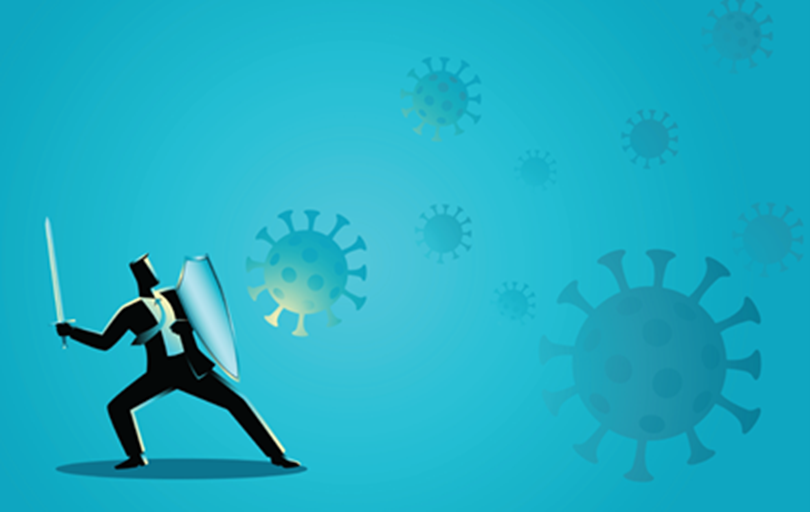
The immune system is a fascinating biological network that protects us from infections and diseases throughout our lives. A central role is played by T cells, which are essential for adaptive immunity, the formation of immunological memory, and responses to vaccinations. However, as we age, T cell function declines—a process known as immunosenescence—leading to weakened immune responses. Spermidine, a naturally occurring polyamine, has emerged as a promising compound to counteract this decline by promoting autophagy, a cellular process crucial for T cell health. This article explores the mechanisms and benefits of spermidine for maintaining a strong immune system throughout life.

What Are T Cells?

T cells (T lymphocytes) are white blood cells that play a central role in the adaptive immune system, which responds specifically to pathogens. They develop from stem cells in the bone marrow and mature in the thymus (hence the “T”). T cells detect infected or abnormal cells and coordinate immune responses. The main types are:

  • Helper T cells (CD4⁺): Activate other immune cells and orchestrate the immune response.
  • Cytotoxic T cells (CD8⁺): Directly destroy infected or cancerous cells.
  • Regulatory T cells (Tregs): Maintain immune balance and prevent overactivation or autoimmunity.

With age, T cells lose efficiency, increasing susceptibility to infections, weakening vaccine responses, and slowing recovery. Supporting T cell health is therefore essential for maintaining immunity in older adults.

Autophagy: The Foundation for Healthy T Cells

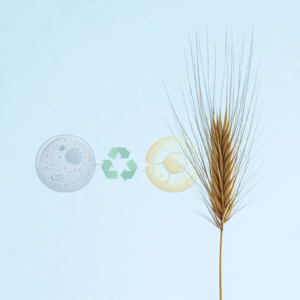
Autophagy is a cellular recycling process in which damaged organelles and proteins are broken down. This mechanism is particularly important for long-lived cells such as memory T cells, which “remember” past infections and enable a rapid and effective response upon re-exposure.

Studies have shown that autophagy is crucial for the formation and maintenance of memory CD8⁺ T cells. Research in mice with a defect in the autophagy gene Atg7 in T cells demonstrated that while acute responses to infection were normal, memory T cell formation was severely impaired. These cells showed increased mitochondrial stress and reactive oxygen species, leading to cell death and insufficient memory formation (Puleston et al., 2014).

Age-Related Decline in T Cell Autophagy

As we age, autophagy declines in many cell types, including T cells. This decline contributes to memory T cells being less effective in old age, which impairs the ability to respond to infections and vaccinations. Studies show that CD8⁺ T cells from older donors have lower autophagy levels and reduced production of important immune molecules such as interferon-gamma (IFN-γ) and perforin (Alsaleh et al., 2020).

Spermidine: A Natural Booster for T Cells

Spermidine, a polyamine naturally found in many tissues, is a potent inducer of autophagy. Studies have shown that it can rejuvenate memory CD8⁺ T cells in aged mice, restoring their ability to respond to infections and vaccines (Puleston et al., 2014). Importantly, spermidine acts independently of mTOR, avoiding the side effects associated with classical mTOR inhibitors like rapamycin.

In humans, spermidine supplementation has been shown to enhance autophagy and improve T cell function in older adults. T cells from treated donors displayed increased production of IFN-γ and perforin, indicating a stronger immune response (Alsaleh et al., 2020). This makes spermidine a promising tool to counteract immunosenescence and improve vaccine efficacy in older adults.

Mechanisms of Spermidine-Induced Autophagy

Spermidine activates autophagy through eIF5A hypusination:

  1. Hypusination of eIF5A: Spermidine provides the substrate for eIF5A hypusination, enabling translation of proteins with polyproline-rich domains, such as TFEB, a key regulator of autophagy genes.
  2. TFEB Activation: TFEB controls autophagy and lysosome formation. Spermidine restores TFEB levels in aged T cells.
  3. Mitochondrial Quality Control: Damaged mitochondria are removed through mitophagy, improving the function of older T cells.
  4. Effector Molecules: Increased autophagy boosts the production of IFN-γ and perforin, which are crucial for immune responses.

Support your cell health.
Because cells are the building blocks of life.

Conclusion

Spermidine represents a promising discovery in the field of immunology and aging. By promoting autophagy, it supports the health and function of T cells and may help address the challenges of immunosenescence. Ongoing research will reveal how spermidine can improve vaccine efficacy and overall immunity in older adults, offering new avenues for lifelong immune health.

What makes our product so unique?

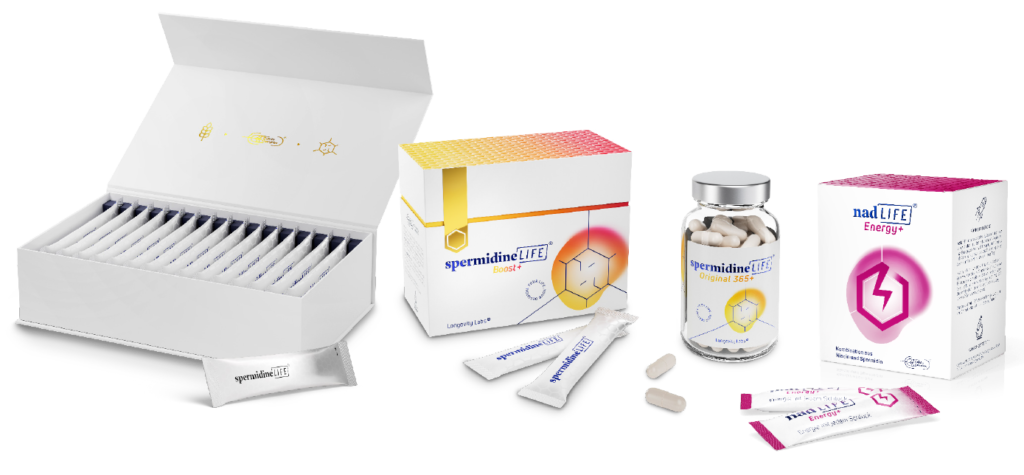
spermidineLIFE is the only approved spermidine-containing dietary supplement with Novel Food authorization.

The approval of spermidineLIFE® made human research possible in the first place. To date, it has been used in 8 clinical studies.

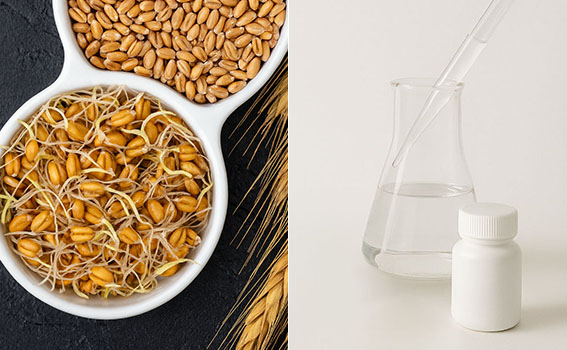
spermidineLIFE® is extracted from natural wheat germ sourced from Central Europe and produced in Graz using a specially developed extraction process.
Due to its approval, there are safety and tolerability studies, which are essential for therapeutic intervention.

Other spermidine supplements often do not guarantee quality and spermidine concentration. They are mostly derived from soy (methionine in soy can inhibit cell renewal) or enriched with synthetic spermidine (e.g., buckwheat – which contains hardly any spermidine itself).

The natural CelVio® Complex in spermidineLIFE® is unique. In addition to spermidine, it contains other polyamines (spermine, putrescine), healthy fats, vitamins, and minerals.
The mitochondria are the power plants of our cells and supply our body with energy. However, their daily work also produces waste, such as da-maged mitochondria…

What is NAD?

NAD+, also known as nicotinamide adenine dinucleotide, is an important chemical compound in our body that plays a crucial role in various biological processes…

Energy production in the cell

Energy production in the cell is an essential process that enables the maintenance of all vital functions. Cells need energy to carry out activities such as metabolism and…

Was ist nmn-nam-nad?

NMN (nicotinamide mononucleotide), NAM (nicotinamide) and NAD (nicotinamide adenine dinucleotide): These three compounds are closely linked…

HIGH COLLAGEN Vegan Boost
Stimulates the bodys own collagen production

Spermidine – a stroke of luck in research. Nina Ruge @nina.ruge.official im Gespräch mit Molekularbiologe Professor Tobias Eisenberg

Spermidine – a stroke of luck in research
Nina Ruge @nina.ruge.official in conversation with molecular biologist Professor Tobias Eisenberg.

Better skin firmness and elasticity

Better skin firmness and elasticity

The daily intake of collagen peptides led to improvements of the biomechanical properties of the temple skin. Following 56 days of treatment, the group with the intake demonstrated a better skin firmness andan elasticity as compared to the placebo group (see figure 1).