


The Potential Benefits of Spermidine Supplementation on Sleep

Sleep is essential for maintaining brain health, emotional resilience, and metabolic balance. Yet as we age, sleep quality often deteriorates. These changes are not just inconveniences; they are risk factors for neurodegenerative diseases, particularly Alzheimer’s disease.

Emerging research suggests that spermidine, a naturally occurring polyamine, may offer a novel intervention to support sleep and cognitive health, especially in older adults. While human trials are still limited, preclinical and mechanistic studies offer compelling insights into how spermidine may influence sleep architecture, circadian rhythms, and brain resilience.

Sleep and aging: a vicious cycle

As we age, the brain undergoes structural and molecular changes that disrupt the natural sleep–wake cycle. One of the most notable shifts is a decline in slow-wave sleep (SWS), the deep, restorative stage critical for memory consolidation and the glymphatic clearance of neurotoxic proteins like amyloid-beta and tau, both implicated in Alzheimer’s disease. At the same time, circadian rhythms become blunted, sleep becomes more fragmented, and overall sleep quality declines. These changes not only impair rest but also accelerate neurodegeneration, creating a self-reinforcing loop of poor sleep and cognitive decline.

Spermidine plays a vital role in key cellular processes such as autophagy, mitochondrial function, protein synthesis, and gene regulation. As spermidine levels diminish with age, the decline may contribute to disruptions in sleep and broader physiological function. Supplementing with spermidine could help restore balance to these critical pathways, potentially supporting healthier sleep homeostasis and brain aging.

Spermidine and sleep: promising clues from animal models to humans

Emerging research points to spermidine as a potential modulator of sleep quality and circadian rhythm, particularly in aging. In animal studies, Bedont et al. (2021) demonstrated that spermidine supplementation in fruit flies reduced age-related sleep fragmentation and restored healthy rest-activity cycles, indicating its protective role in maintaining sleep architecture. Additional studies in Drosophila have shown that spermidine supplementation can increase total sleep, particularly during the day, and reduce sleep latency, though its effects are weaker compared to other polyamines like putrescine. However, the relationship between spermidine and sleep is complex; while spermidine supplementation prolonged sleep in control flies, it was toxic to sleep mutants, highlighting the interplay between polyamine metabolism and nitrogen stress.

Human data, though still limited and mostly observational, offer intriguing signals. Wortha et al. (2023) found that higher plasma spermidine levels were linked to altered sleep microstructure, specifically reduced coupling between slow oscillations and sleep spindles during non-REM sleep. This shift, while not associated with improved subjective sleep quality, suggests that spermidine may influence brain activity patterns critical for memory consolidation and neuroprotection. Interestingly, the same study noted that elevated spermidine levels were associated with markers of deteriorated brain health, such as higher Alzheimer’s disease scores, raising questions about the dual role of spermidine in aging and neuropathology.

In addition, spermidine has been implicated in circadian rhythm regulation. Zwighaft et al. (2015) demonstrated that age-related declines in polyamine levels in mice were associated with longer circadian periods, a phenomenon reversible with spermidine supplementation. This highlights spermidine’s potential to modulate circadian clock mechanisms, which are tightly linked to sleep regulation. Despite these promising findings, the lack of randomized controlled trials focused on sleep outcomes underscores the need for further research to fully understand spermidine’s role in human sleep regulation.

How spermidine may support better sleep: a peek inside the science

Spermidine may help support better sleep by working through several key biological pathways that keep your brain and body in sync, especially as we get older. Here’s a quick look at how it works:

  • Regulates your internal clock (circadian rhythms) 
    Spermidine supports the circadian rhythm, your body’s natural 24-hour sleep-wake cycle, by enhancing the interaction between two core clock proteins called PER2 and CRY1. Specifically, spermidine changes the structure of PER2 to strengthen its bond with CRY1, which helps maintain a healthy daily rhythm. Since spermidine levels naturally decline with age, this can disrupt your internal clock and lead to poorer sleep. Studies in aging mice show that supplementing spermidine can restore normal circadian timing, helping keep your sleep cycle on track.
  • Improving sleep patterns and brain activity during sleep
    Spermidine affects brain activity during non-REM sleep, particularly slow oscillations and spindle waves that are crucial for memory consolidation and restoration. In fruit flies, spermidine supplementation reversed age-related sleep changes by improving both daytime and nighttime sleep. In humans, higher blood spermidine levels are linked to changes in how these brain waves coordinate. However, the effects are complex: too much spermidine in older adults doesn’t always mean better sleep quality, highlighting the importance of balance.
  • Protecting brain health to support sleep 
    Spermidine also supports sleep indirectly through its neuroprotective and anti-aging effects. Animal studies demonstrate that spermidine supplementation can restore key synaptic structures involved in memory, which in turn helps reduce age-related sleep disturbances. Moreover, spermidine may interact with tau proteins, which are implicated in both sleep disruption and neurodegenerative diseases like Alzheimer’s. Since elevated polyamine levels are linked to tau pathology, spermidine’s relationship with brain health and sleep is complex and an area of ongoing research.
  • Balancing nitrogen metabolism and sleep 
    As a member of the polyamine family, spermidine plays a role in nitrogen metabolism, which affects sleep regulation. Fruit fly studies found that chronic sleep loss made flies more sensitive to nitrogen stress, and supplementing with spermidine helped promote healthy sleep. However, excessive polyamine levels were toxic in flies with certain genetic sleep disorders, showing that maintaining the right balance is crucial for healthy sleep.

Wrapping up: why spermidine deserves a closer look in sleep science

Spermidine shows promising potential to improve sleep and support brain health, especially as we age, but its role in human sleep regulation is still largely unexplored. Strong mechanistic evidence from animal studies and early human data suggest that spermidine may influence sleep-related brain processes and contribute to cognitive resilience. However, key challenges persist, including the lack of clinical trials with sleep as a primary endpoint, individual variability in response, and limited clarity on optimal dosing and duration. To fully understand and harness these benefits, future research should prioritize randomized controlled trials assessing sleep architecture, longitudinal studies tracking cognitive outcomes and Alzheimer’s biomarkers, and investigations into dose-response relationships.

We are deeply involved in these exciting clinical studies (with a trial already underway!) and can’t wait to share the latest discoveries on spermidine and sleep with you. As research progresses, spermidine could become a powerful, science-backed partner in helping you achieve restorative sleep and support lifelong brain health.

spermidineLIFE Memory+

The key ingredients in spermidinLIFE Memory+ make it an ideal supplement to support normal cognitive function and overall brain health. The nutrients thiamine, iron, brahmi and saffron extract help to reduce mental fatigue and decline.

spermidineLIFE Memory+

High-dose treatment for intensive cell renewal. Start your spermidine routine with the high-dose spermidineLIFE Pro+ to specifically activate autophagy. Ideal to begin the spermidine supplementation or as a premium protocol for long-term use.

NAD⁺, NMN, NAM & ribose - energy, cell health and longevity

In modern health and longevity research, the focus is on NAD⁺, NMN, NAM and ribose, as they support cellular energy, metabolic health and regeneration at the cellular level. These molecules are particularly interesting for anyone who wants to promote mental performance, physical energy and healthy ageing.

NAD⁺ – the motor of cells
NAD⁺ (nicotinamide adenine dinucleotide) is an essential coenzyme that every cell needs:

  • Energy production: NAD⁺ is crucial for ATP synthesis, i.e. the “fuel supply” of the cells.
  • Cell regeneration & repair: Activates enzymes such as sirtuins that support DNA repair and anti-ageing mechanisms.
  • Ageing processes: With increasing age, the NAD⁺ level decreases, which leads to lower energy and reduced cell health.

nadLIFE Energy+ for increased energy & vitality

NAM – the approved NAD⁺ precursor
NAM (nicotinamide / niacinamide) is an approved form of vitamin B3 and a NAD⁺ precursor. Advantages:

  • Supports cell energy and energy metabolism
  • Activates sirtuins and promotes cell health
  • Legal food supplement, readily available in Switzerland and the EU

NMN – scientifically interesting, but not approved
NMN (nicotinamide mononucleotide) is a direct NAD⁺ precursor that can increase NAD⁺ levels in the body.

  • Benefits from research: support for cell energy, metabolism, muscles and brain function
  • Note: NMN is not approved as a food supplement in Switzerland and the EU and is therefore not available on the legal market.

Ribose – der Energieturbo
Ribose ist ein Zucker, der direkt für die ATP-Produktion benötigt wird. Vorteile:
• Schnelle Energie für Herz, Muskeln und Gehirn
• Unterstützt Erholung & Leistungsfähigkeit
• Synergie mit NMN: Optimiert die Energieversorgung in den Zellen

The optimal combination: NAM + ribose
As NMN is not approved, the combination of NAM and ribose has established itself as a legal, effective solution to:
– increase cell energy
– support regeneration and autophagy
– promote metabolism, brain function and heart health

PPQ

PQQ

Der unterschätzte Zellbooster für Energie, Vitalität und Longevity

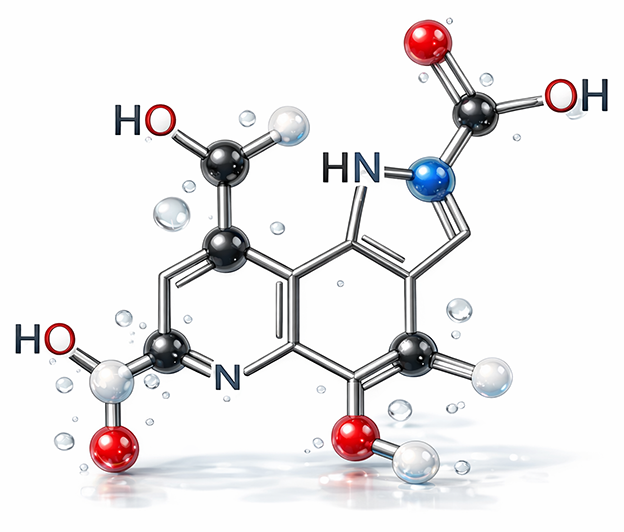
In the world of dietary supplements, new active ingredients are constantly appearing that promise more energy, better concentration and healthy ageing. One of the most exciting candidates is PQQ – pyrroloquinoline quinone. Even if the name sounds complicated, behind it lies a small substance with great potential for body and mind.

PPQ

What is PQQ?
PQQ is a vitamin-like micronutrient that is found in small quantities in foods such as kiwi, papaya, spinach and green tea. In nature, however, the quantities are very small, which is why PQQ is usually produced synthetically or biotechnologically in supplements.

The main task of PQQ in the body is to support the mitochondria, the “power plants” of our cells. There it ensures that energy is produced efficiently and cells are protected.

The benefits of PQQ
1. More energy at cellular level
PQQ promotes the formation of new mitochondria, making your cells more efficient. Unlike caffeine, it does not produce stimulation, but natural, sustainable energy.

2. protection from cell damage
As a powerful antioxidant, PQQ protects cells from free radicals and oxidative stress. This supports healthy ageing and regeneration.

3. brain and nerve performance
Studies show that PQQ can support cognitive function, concentration and nerve regeneration. This is an exciting effect for anyone who wants to stay mentally fit.

4. support for sport and vitality
Due to the increased energy production at cell level, PQQ can also promote physical performance and support regeneration after training.

PQQ in practice
As PQQ is only found in very small quantities in food, many people resort to supplements. Typical dosages are 10-20 mg per day, often in combination with coenzyme Q10, in order to optimally support the energy production of the cells.

People who take PQQ regularly often report more vitality, better concentration and a general feeling of well-being, which has a positive effect on everyday life, sport and mental performance.

PQQ is a fascinating nutrient that is still relatively unknown, but has enormous potential. It supports the energy production of cells, protects them from damage and can therefore promote vitality, concentration and healthy ageing. If you want to strengthen your cells from the inside, PQQ should be on your radar – a real cell booster for body and mind.

Spermidine and T Cells: Supporting the Immune System

The immune system is a fascinating biological network that protects us from infections and diseases throughout our lives. A central role is played by T cells, which are essential for adaptive immunity, the formation of immunological memory, and responses to vaccinations. However, as we age, T cell function declines—a process known as immunosenescence—leading to weakened immune responses. Spermidine, a naturally occurring polyamine, has emerged as a promising compound to counteract this decline by promoting autophagy, a cellular process crucial for T cell health. This article explores the mechanisms and benefits of spermidine for maintaining a strong immune system throughout life.

What Are T Cells?

T cells (T lymphocytes) are white blood cells that play a central role in the adaptive immune system, which responds specifically to pathogens. They develop from stem cells in the bone marrow and mature in the thymus (hence the “T”). T cells detect infected or abnormal cells and coordinate immune responses. The main types are:

  • Helper T cells (CD4⁺): Activate other immune cells and orchestrate the immune response.
  • Cytotoxic T cells (CD8⁺): Directly destroy infected or cancerous cells.
  • Regulatory T cells (Tregs): Maintain immune balance and prevent overactivation or autoimmunity.

With age, T cells lose efficiency, increasing susceptibility to infections, weakening vaccine responses, and slowing recovery. Supporting T cell health is therefore essential for maintaining immunity in older adults.

Autophagy: The Foundation for Healthy T Cells

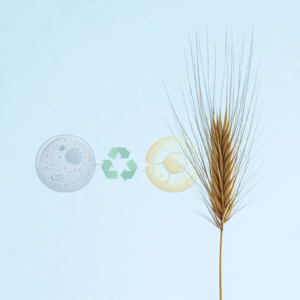
Autophagy is a cellular recycling process in which damaged organelles and proteins are broken down. This mechanism is particularly important for long-lived cells such as memory T cells, which “remember” past infections and enable a rapid and effective response upon re-exposure.

Studies have shown that autophagy is crucial for the formation and maintenance of memory CD8⁺ T cells. Research in mice with a defect in the autophagy gene Atg7 in T cells demonstrated that while acute responses to infection were normal, memory T cell formation was severely impaired. These cells showed increased mitochondrial stress and reactive oxygen species, leading to cell death and insufficient memory formation (Puleston et al., 2014).

Age-Related Decline in T Cell Autophagy

As we age, autophagy declines in many cell types, including T cells. This decline contributes to memory T cells being less effective in old age, which impairs the ability to respond to infections and vaccinations. Studies show that CD8⁺ T cells from older donors have lower autophagy levels and reduced production of important immune molecules such as interferon-gamma (IFN-γ) and perforin (Alsaleh et al., 2020).

Spermidine: A Natural Booster for T Cells

Spermidine, a polyamine naturally found in many tissues, is a potent inducer of autophagy. Studies have shown that it can rejuvenate memory CD8⁺ T cells in aged mice, restoring their ability to respond to infections and vaccines (Puleston et al., 2014). Importantly, spermidine acts independently of mTOR, avoiding the side effects associated with classical mTOR inhibitors like rapamycin.

In humans, spermidine supplementation has been shown to enhance autophagy and improve T cell function in older adults. T cells from treated donors displayed increased production of IFN-γ and perforin, indicating a stronger immune response (Alsaleh et al., 2020). This makes spermidine a promising tool to counteract immunosenescence and improve vaccine efficacy in older adults.

Mechanisms of Spermidine-Induced Autophagy

Spermidine activates autophagy through eIF5A hypusination:

  1. Hypusination of eIF5A: Spermidine provides the substrate for eIF5A hypusination, enabling translation of proteins with polyproline-rich domains, such as TFEB, a key regulator of autophagy genes.
  2. TFEB Activation: TFEB controls autophagy and lysosome formation. Spermidine restores TFEB levels in aged T cells.
  3. Mitochondrial Quality Control: Damaged mitochondria are removed through mitophagy, improving the function of older T cells.
  4. Effector Molecules: Increased autophagy boosts the production of IFN-γ and perforin, which are crucial for immune responses.

Support your cell health.
Because cells are the building blocks of life.

Conclusion

Spermidine represents a promising discovery in the field of immunology and aging. By promoting autophagy, it supports the health and function of T cells and may help address the challenges of immunosenescence. Ongoing research will reveal how spermidine can improve vaccine efficacy and overall immunity in older adults, offering new avenues for lifelong immune health.

What makes our product so unique?

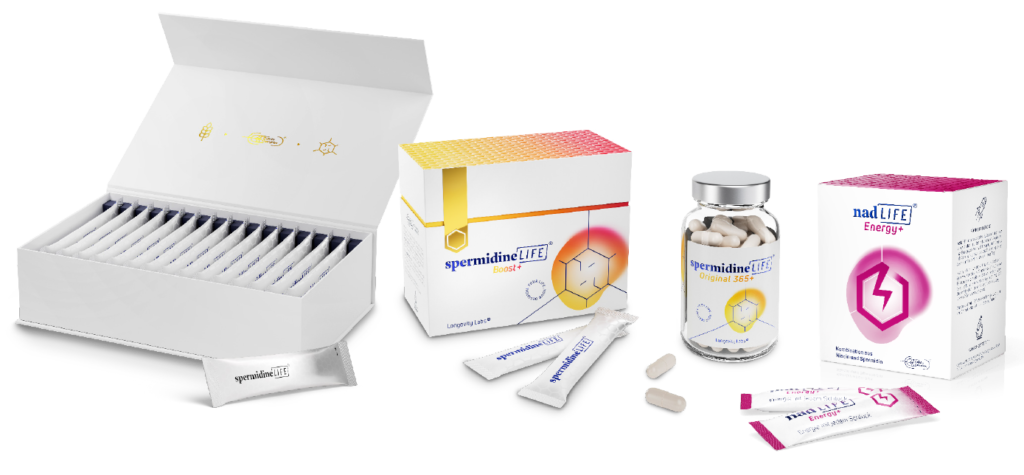
spermidineLIFE is the only approved spermidine-containing dietary supplement with Novel Food authorization.

The approval of spermidineLIFE® made human research possible in the first place. To date, it has been used in 8 clinical studies.

spermidineLIFE® is extracted from natural wheat germ sourced from Central Europe and produced in Graz using a specially developed extraction process.
Due to its approval, there are safety and tolerability studies, which are essential for therapeutic intervention.

Other spermidine supplements often do not guarantee quality and spermidine concentration. They are mostly derived from soy (methionine in soy can inhibit cell renewal) or enriched with synthetic spermidine (e.g., buckwheat – which contains hardly any spermidine itself).

The natural CelVio® Complex in spermidineLIFE® is unique. In addition to spermidine, it contains other polyamines (spermine, putrescine), healthy fats, vitamins, and minerals.
The mitochondria are the power plants of our cells and supply our body with energy. However, their daily work also produces waste, such as da-maged mitochondria…

Amino acids are essential
important building blocks of life...

…without which the human metabolism could not assemble proteins. They are chemical compounds that are either formed in the body or absorbed through the consumption of certain foods. Proteins, also known as albumen, fulfill important functions for the human body. Amino acids are therefore essential and contribute to health, energy production, growth, development and reproduction.

Amino acids: how they regulate our metabolism

Amino acids are the building blocks that make up proteins. What do they contain? What functions do they have? Do they help build muscle and lose weight?

What are amino acids?

Amino acids are chemical compounds that form proteins in the form of long chains, i.e. the proteins in our body. Proteins have numerous functions in the organism and are found in every cell, including as a building material for muscles, skin, hair, nails, bones, tendons and other organs.

The antibodies, blood clotting factors and enzymes that are important for the immune system are also proteins. Hormones and so-called neurotransmitters also consist of amino acids. As messenger substances, they are responsible for metabolic processes and the transmission of nerve impulses.

As the building blocks of proteins, amino acids therefore have a variety of functions that are important for health, energy production, growth, development and reproduction. Certain amino acids are also said to support muscle building in sport and weight loss during diets.

How do amino acids become proteins?

When two amino acids join via the so-called peptide bond, dipeptides are formed. If a third amino acid is added, we speak of tripeptides. Some (up to ten) amino acids form oligopeptides, more than ten are called chain polypeptides.

Such polypeptides can fold or assemble to form proteins with over 100 or several thousand amino acids.

How many and which amino acids are there?

Biologists know of over 250 different amino acids, 23 of which are known as proteinogenic amino acids and are responsible for building proteins. Due to their chemical structure, 20 of these are known as (canonical) standard amino acids. The other non-proteinogenic amino acids also have important functions, but are not part of the body’s proteins.

Essential and non-essential amino acids

Our body can produce eight of the proteinogenic amino acids itself. We speak of non-essential (or dispensable) amino acids. There are also eight essential (or non-essential) amino acids – the body cannot produce them itself and must absorb them through food. There are also conditionally essential amino acids.

What are conditionally essential amino acids?

Conditionally essential are amino acids that are actually non-essential but become essential in certain life situations. For example, the body of healthy adults can produce the amino acid tyrosine itself.

However, the chemical compound is essential for children, as the body’s ability to produce it is not yet fully developed at a young age. In newborns and premature babies, arginine, cysteine and histidine are also essential at the beginning. The need for some amino acids can also change during pregnancy or with increased physical activity.

There are also diseases that affect the amino acid metabolism. Those affected must then also take in non-essential amino acids with their food.

List of known proteinogenic amino acids:

Essential amino acids

  • Phenylalanine
  • Isoleucine
  • Tryptophan
  • Methionine
  • Leucine
  • Valine
  • Lysine-Monohydrochloride
  • Threonine

Included in HIGH COLLAGEN Amino Boost®*

  • L-phenylanine
  • L-isoleucine
  • L-tryptophan
  • L-methionine
  • L-leucine
  • L-valine
  • L-lysine-monohydrochloride
  • L-threonine

Non-essential amino acids

  • Alanine
  • Asparagine/aspartate
  • Glutamin
  • Glutamic acid
  • Glycine
  • Proline
  • Serine
  • Arginine (conditionally-essential)
  • Histidine (conditionally essential)
  • Cysteine (semi-essential)
  • Tyrosine (semi-essential)

Included in HIGH COLLAGEN Amino Boost®*

  • L-alanine
  • L-asparagine/aspartate
  • L-glutamine
  • L-glutamic acid
  • Glycine
  • L-proline
  • L-serine
  • L-arginine
  • L-histidine
  • L-cysteine
  • L-tyrosine
*There is a D and an L form of all amino acids (except glycine). The L-shape is the one that occurs in nature, the other is a mirror image of it. Leucine without D or L says nothing about the stereochemistry, the name refers to both forms. Biological systems only utilize L-leucine.
Which foods contain essential amino acids?

Essential amino acids are found in both plant and animal protein sources, with animal foods often having a higher content.

Chicken eggs, for example, contain all the essential and semi-essential amino acids that the human body needs. But meat, fish and dairy products as well as nuts, pulses and soybeans are also foods that contain amino acids.

Which foods contain amino acids
Where are amino acids found and when do we need more of them?
a
Amino acidAver. DemandPossible increased demand Occurrence
Phenylalanine approx. 14 mg/kg body weightAcute and chronic stress, depression, Parkinson’s diseaseTuna, beef, soybeans, peanuts
Isoleucinepprox. 10 mg/kg body weightfor intensive sports training, physical stress, liver and kidney diseasesPeanuts, salmon, tuna, beef
Tryptophan approx. 4-5 mg/kg body weightfor competitive athletes, sleep disorders, depressionTuna, spirulina, pumpkin seeds, cashew nuts, walnuts, cheese, veal and beef
Methionine approx. 13 mg/kg body weightfor urinary tract diseases, allergies, depressionSalmon, prawns, turkey breast, hard cheese, soybeans
leucine approx. 14 mg/kg body weightfor intensive sports training, physical stress, liver and kidney diseases, schizophreniaEggs, salmon, tuna, peanuts, beef and veal
Valine approx. 10 mg/kg body weightfor intensive sports training, physical stress, liver and kidney diseases, schizophreniaSalmon, tuna, peanuts, beef and veal
Lysine approx. 15 mg/kg body weightfor weakened immune system, viral infections, osteoporosis, cardiovascular diseasesFish, parmesan cheese, pork, prawns
Threonine approx. 6-7 mg/kg body weightfor heavy physical exertion, frequent infections, hyperactive nervous reactions, multiple sclerosisPapaya, soybeans, lentils, wheat germ
Effect: Why do you need amino acids?

Amino acids are very important chemical compounds that have different functions due to their different structures. For example, they are responsible for the formation of collagen, the structural protein of bones, connective tissue and skin, as well as for the formation of enzymes, hormones, blood clotting factors, antibodies and muscles.

Tasks of the essential amino acids

  • Phenylalanine: precursor substance of the hormones adrenaline, noradrenaline, dopamine and thyroxine, has an anti-inflammatory effect, formation of melanin
  • Isoleucine: energy source for the muscles, inhibits protein breakdown
  • Tryptophan: precursor substance for serotonin (sleep-wake rhythm and mood enhancer), liver metabolism, build-up of niacin and tryptamine
  • Methionine: detoxification function, regeneration of liver and kidney damage, selenium metabolism, build-up of various amino acids and hormones
  • Leucine: energy source and muscle building, inhibits protein breakdown
  • Valine: energy source for the muscles, protein build-up and storage, inhibits protein breakdown
  • Lysine: supports the immune system, has an antiviral effect, formation of enzymes, hormones and antibodies, growth, bone health, tissue repair, vascular stability
  • Threonine: growth and energy production, uric acid and protein metabolism, strengthens the immune system and forms antibodies, precursor substance of the amino acids glycine and serine

Tasks of the non-essential amino acids

  • Alanine: Important component of muscles, influences blood sugar levels, the immune system and liver metabolism
  • Asparagine: Stimulates kidney activity and thus cleanses the body
  • Aspartate: Involved in the detoxification process; acts as a neurotransmitter and is therefore very important for the messenger substances in the brain
  • Glutamate: A neurotransmitter that transmits signals between nerve cells
  • Glutamine: energy production, important component of the muscles, supports their regeneration
  • Glycine: Hemoglobin metabolism, i.e. ensures oxygen transport in the blood; involved in building muscles, bones, cartilage, tendons, skin and teeth
  • Proline: Regeneration of bone and cartilage in􀀁ammation, protects against collagen and joint degradation
  • Serine: growth, energy production, uric acid and energy metabolism, formation of antibodies
  • Arginine (conditionally essential): Stimulation of cell formation, leucocyte formation, release of growth hormones, insulin and noradrenaline, influences blood circulation and cardiovascular system
  • Histidine (conditionally essential): Builds up creatine, i.e. important for energy production in the muscle
  • Cysteine (semi-essential): Involved in building hair and nails, muscle building and detoxification of the body
  • Tyrosine (semi-essential): Formation of adrenaline, noradrenaline and dopamine, involved as a neurotransmitter in communication between nerve cells
Lack of amino acids

We must take in essential amino acids with our food. An unbalanced diet, one-sided diets, stress or competitive sport as well as chronic illnesses can lead to a de􀀂ciency of certain amino acids. The need for special amino acids can also increase in newborns, during pregnancy or after serious injuries, for example.

Non-essential amino acids are just as important as essential amino acids. However, our body normally produces them without our conscious intervention. How much semi-essential and non-essential amino acids the body needs or produces depends, among other things, on age, pregnancy and performance requirements.

Laboratories use an aminogram, a profile of the amino acids in the body, to assess whether there is a deficiency based on a blood sample.

Possible signs of an amino acid deficiency:

  • Listlessness
  • Weakened immune system
  • Concentration dificulties
  • Inner restlessness
  • Digestive problems
  • Depressive moods
  • Sleeping dificulties
  • Drop in performance
  • Joint problems
  • Deficits in muscle building
Intake of amino acids

Acids regulate numerous metabolic processes in the body, so they are extremely important for our health. The need for individual amino acids can change with an unbalanced diet or when the demands on our performance change, for example during competitive sport, prolonged physical exertion, illness or stress.

Eggs, dairy products, muscle meat and pulses are particularly good sources of amino acids. Some amino acids can also be bought in the form of food supplements.

HIGH COLLAGEN Amino Boost®
is a mixture of essential and non-essential amino acids and provides your body with the optimum building blocks
for health and well-being.

High Collagen Amino Boost

Do not overdose on amino acids

However, overdosing individual amino acids with food supplements can trigger an amino acid imbalance in the metabolism and may risk gastrointestinal complaints, excessive strain on the kidneys or other health problems. If you suspect a deficiency, you should therefore not take individual supplements on your own, but seek advice from a nutritionist.

Amino acids in sport

The German Nutrition Society (DGE) does not recommend a separate intake of amino acid supplements for amateur and competitive athletes. However, some amino acids may be beneficial to the athlete in appropriate concentrations.

  • Arginine is said to improve blood circulation in the muscles, strengthen the immune system and promote wound healing. Nuts, pulses and chicken breast are particularly suitable sources.
  • Cysteine is known to promote the build-up of muscle mass and improve muscle function. This effect is also used by patients with certain diseases who want to stop severe muscle wasting. Whey protein, for example, has a particularly high cysteine content.
  • Isoleucine, leucine and valine support a rapid recovery of the immune system, stabilize the glutamine concentration and can improve muscle metabolism and endurance performance. The three amino acids are mainly found in tuna, salmon and peanuts.

By the way: Whey protein products are a mixture of amino acids made from whey protein, which is particularly soluble and valuable.

Do amino acids help you lose weight?

In order to lose weight or body fat permanently, a change in diet and exercise are essential. In certain cases, some amino acids can provide support in exact doses.

For example, the need for leucine, isoleucine and valine can increase with reduced diets or physical exertion. Our body needs them for muscle metabolism. Good sources are tuna, salmon and peanuts.

Diets can also lead to a deficiency of phenylalanine, tryptophan and methionine. A particularly suitable source is, for example, a combination of low-fat quark and wholemeal.

Caution: Too much protein in the diet can put a strain on the kidneys. Amino acids in the form of food supplements can also be overdosed.

  • Overdoses of methionine can lead to increased excretion of calcium and be a risk factor for cardiovascular diseases.
  • Overdoses of tryptophan can lead to muscle pain and tiredness.
  • Overdoses of phenylalanine can cause headaches, anxiety and high blood pressure, among other things.
What is NAD?

NAD+, also known as nicotinamide adenine dinucleotide, is an important chemical compound in our body that plays a crucial role in various biological processes…

Energy production in the cell

Energy production in the cell is an essential process that enables the maintenance of all vital functions. Cells need energy to carry out activities such as metabolism and…

Was ist nmn-nam-nad?

NMN (nicotinamide mononucleotide), NAM (nicotinamide) and NAD (nicotinamide adenine dinucleotide): These three compounds are closely linked…

HIGH COLLAGEN Vegan Boost
Stimulates the bodys own collagen production

Spermidine – a stroke of luck in research. Nina Ruge @nina.ruge.official im Gespräch mit Molekularbiologe Professor Tobias Eisenberg

Spermidine – a stroke of luck in research
Nina Ruge @nina.ruge.official in conversation with molecular biologist Professor Tobias Eisenberg.

Better skin firmness and elasticity

Better skin firmness and elasticity

The daily intake of collagen peptides led to improvements of the biomechanical properties of the temple skin. Following 56 days of treatment, the group with the intake demonstrated a better skin firmness andan elasticity as compared to the placebo group (see figure 1).