Sale – 50% on HIGH COLLAGEN Vegan Boost (best before 04/2026) order here
Vitamin C
Effects, requirements and natural sources
Vitamin C is one of the best known and most important vitamins for the human body. It plays a central role in the immune system, cell protection and numerous metabolic processes. As the body cannot produce vitamin C itself, it must be taken in regularly through the diet.
Effect of vitamin C in the body
Vitamin C fulfills several important functions in the human organism. One of the best-known functions is to support the immune system. The vitamin helps to maintain the body’s normal defenses and supports the body, especially in times of increased stress.
Vitamin C also acts as a powerful antioxidant. Antioxidants help to protect cells from oxidative stress, which can be caused by environmental pollution, stress or intense physical activity, among other things. Vitamin C also plays an important role in the formation of collagen. Collagen is a structural protein that is of great importance for skin, bones, cartilage, blood vessels and connective tissue. An adequate supply of vitamin C therefore supports the normal function of skin, bones and blood vessels.
Other important functions of vitamin C are
Support of the energy metabolism
Contributes to the reduction of tiredness and fatigue
Support for the inclusion of
Iron from plant-based foods
Protects cells from oxidative stress
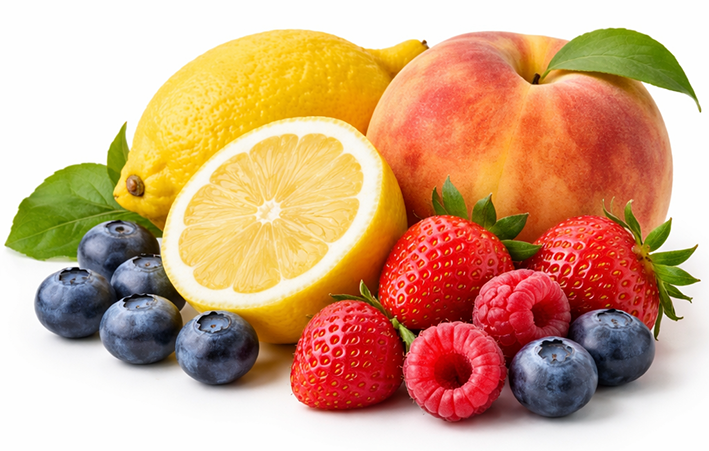
Natural occurrence of vitamin C Vitamin C is mainly found in fresh fruit and vegetables. Particularly high amounts are found in:
Citrus fruits such as oranges, lemons and grapefruits
Paprika
Broccoli
Kiwi
Strawberries
Sea buckthorn
Rose hips
black currant
In general, the fresher and less processed fruit and vegetables are, the higher their vitamin C content usually is.
Vitamin C requirement – women and men
The daily requirement of vitamin C depends on various factors, including age, gender, lifestyle and individual health status.
The general recommendations are approximately
Women: about 95 mg per day Men: about 110 mg per day
The slightly higher requirement in men is partly due to their higher average body mass and often higher metabolic rate.
In certain situations, the need may increase, for example in the case of:
severe physical or mental stress
intensive sporting activity
Smoking
Pregnancy and breastfeeding
Natural vs. synthetic source of vitamin C
Vitamin C can be obtained from both natural foods and food supplements.
Natural vitamin C comes from fruit and vegetables and is usually absorbed together with other plant substances, such as bioflavonoids or secondary plant substances. These natural accompanying substances can support absorption and utilization in the body.
Synthetic vitamin C is produced industrially, usually in the form of ascorbic acid. Chemically, it is identical to natural vitamin C, but is often consumed in isolation without the natural accompanying substances.
Many high-quality food supplements therefore combine vitamin C with plant extracts or natural sources in order to provide as holistic a supply as possible.
What happens in the event of an overdose of vitamin C?
Vitamin C is a water-soluble vitamin. This means that excess amounts are normally excreted in the urine.
However, at very high dosages – especially with high-dose dietary supplements – undesirable side effects can occur, for example:
Gastrointestinal complaints
Diarrhea
Abdominal pain
Nausea
In addition, a very high long-term intake of isolated, synthetic vitamin C can put additional strain on the kidneys, as excess vitamin C has to be excreted via the kidneys. In the process, some of it can be converted into oxalate in the body, which can increase the risk of kidney stones if very high amounts are consumed.
For this reason, many professional associations recommend that extremely high amounts of isolated vitamin C should not be taken on a long-term basis unless medically recommended.
Conclusion
Vitamin C is an essential vitamin for numerous functions in the body. It supports the immune system, protects cells from oxidative stress and plays an important role in collagen formation.
A balanced diet with plenty of fresh fruit and vegetables generally provides sufficient vitamin C. In certain life situations or when there is an increased need, dietary supplements can be a useful addition – ideally in a balanced dosage and combined with natural plant substances.
Centella Asiatica, Panax ginseng and vitamin C in a modern formulation
If you want to make targeted use of the benefits of centella asiatica, panax ginseng and vitamin C, a high-quality combination of plant extracts, amino acids and collagen building blocks can be useful.
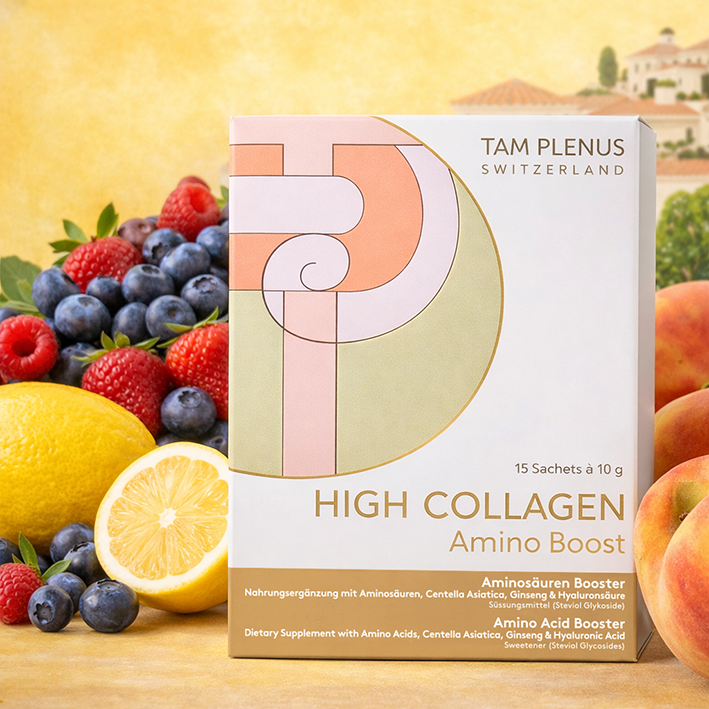
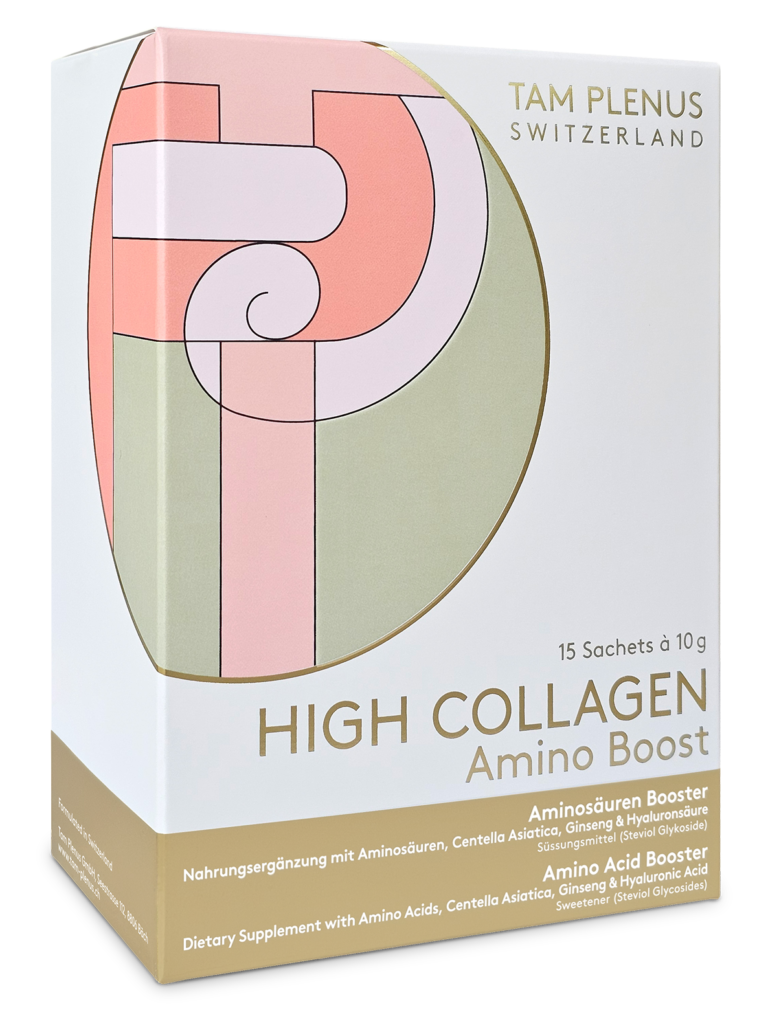
Our High Collagen Amino Boost with Panax Ginseng combines carefully selected ingredients to support skin, connective tissue and regeneration.